
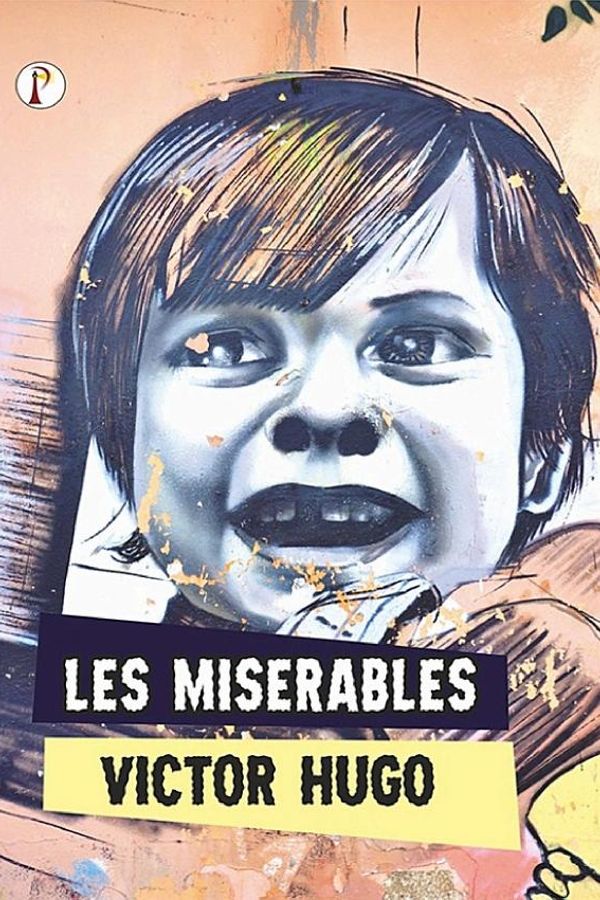
Les Miserables
In this story of the trials of the peasant Jean Valjean--a man unjustly imprisoned, baffled by destiny, and hounded by his nemesis, the magnificently realized, ambiguously malevolent police detective Javert--Hugo achieves the sort of rare imaginative resonance that allows a work of art to transcend its genre.
Themes & atmosphere
What you might want to know about Les Miserables
The questions readers send us most often, answered without spoilers.
Jean Valjean is paroled after nineteen years for stealing a loaf of bread. A bishop's kindness pushes him to remake his life. Inspector Javert tracks him for decades. Their stories meet on a Paris barricade in 1832.
Les Miserables was written by Victor Hugo and published in French in 1862. It was an immediate global success and has been continuously in print for over 160 years. Various English translations differ significantly in quality.
Les Miserables is around 1,500 pages with extensive digressions on Paris sewers, the Battle of Waterloo, and Parisian street slang. The narrative chapters are accessible. Most readers either skim or skip the digressions on a first read.
Yes. Les Miserables was published in 1862 and is in the public domain. Free editions of older translations are available through Project Gutenberg. Modern translations remain copyrighted.
Les Miserables is 520 pages in standard print editions, though page counts vary slightly between hardcover, paperback, and large-print formats.
At an average reading pace of about 250 words per minute, Les Miserables takes most readers 8 to 11 hours to finish.
Les Miserables is a standalone novel by an unknown author, not part of a series.
Les Miserables is available in hardcover, paperback, ebook, and audiobook formats from Amazon, Bookshop.org, ThriftBooks, and most major bookstores.