Home/Literary Fiction/Books Like Fight Club
The reading map

Books like
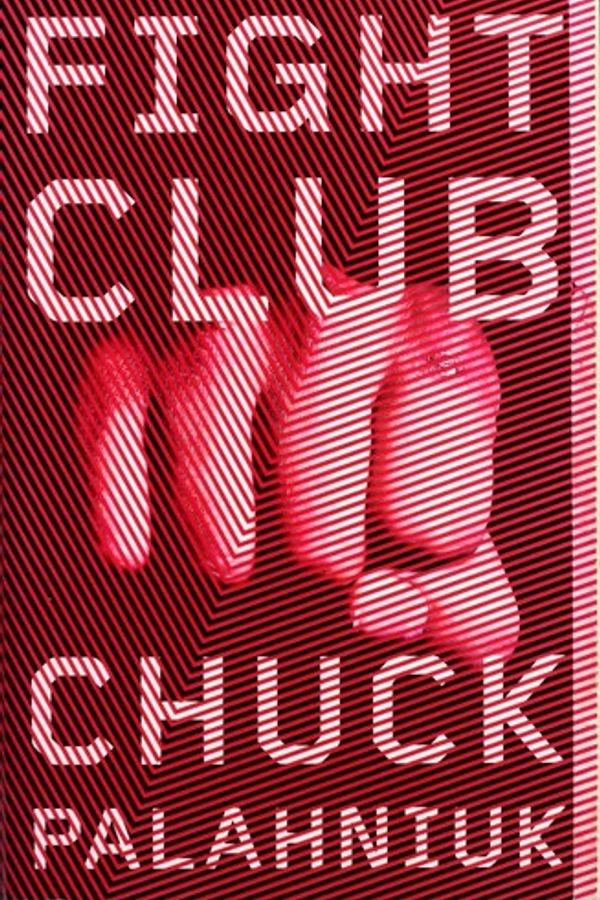
Fight Club

Books that share disaffected narrators, consumer emptiness, and violence as rebellion with Fight Club.

15
Picks
Rhett Callahan
Curated by
Jul 2026
Updated

The essential companions

01
Match88%
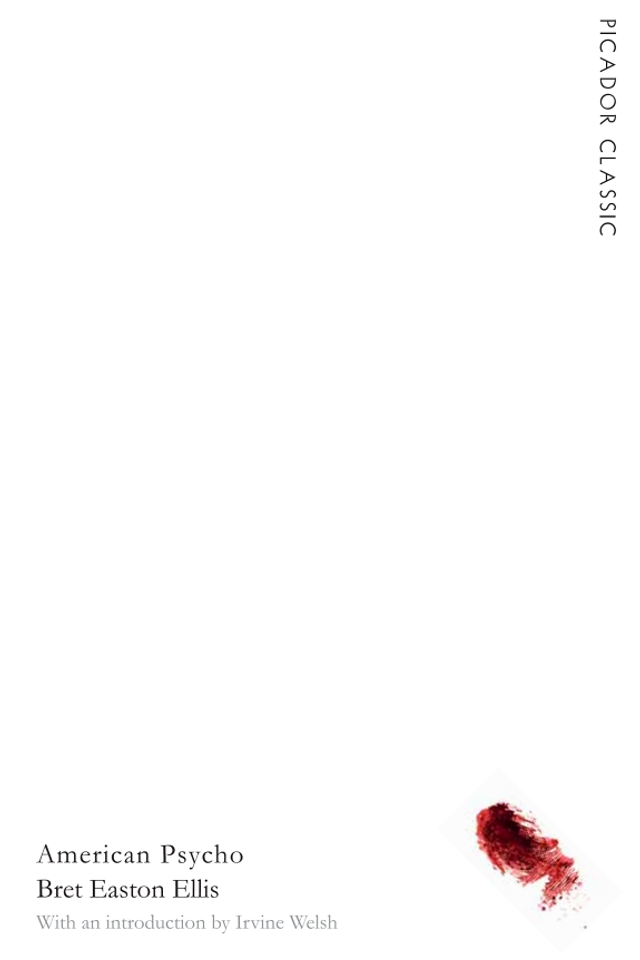
American Psycho cover

American Psycho

1990
Year
384
Pages
Horror
Genre
But diverges

The protagonist finds no liberation, only clinical numbness.

Bret Easton Ellis' American Psycho takes Fight Club's critique of consumer culture and pushes it past every boundary of taste and decency. Patrick Bateman, a Wall Street investment banker, describes his designer suits, restaurant reservations, and business card stock with the same flat precision he uses to describe acts of extreme violence. Ellis and Palahniuk both argue that consumer capitalism creates hollow people, but where Palahniuk's narrator finds liberation through destruction, Bateman finds nothing at all.

02
Match82%
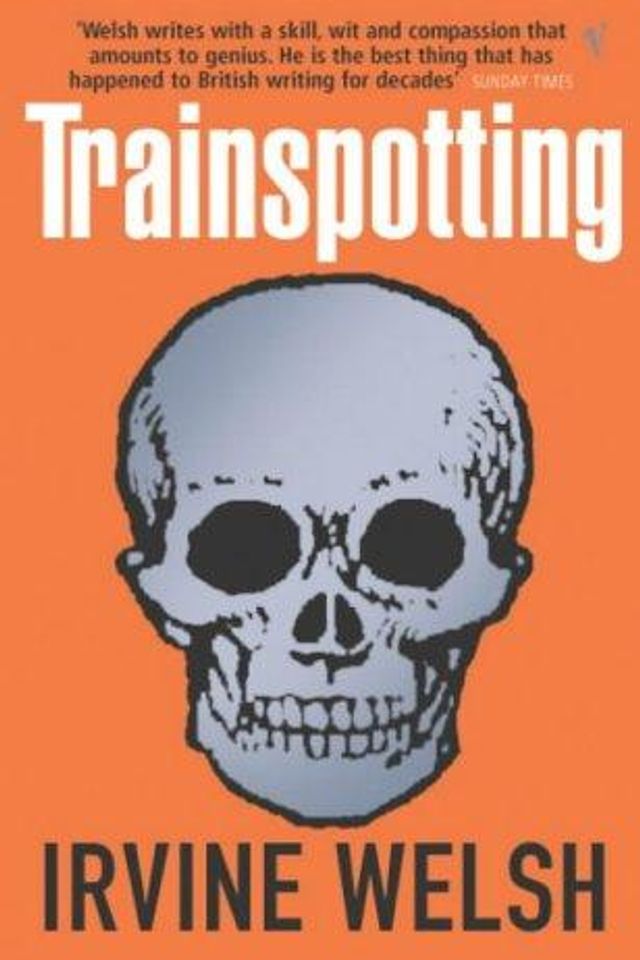
Trainspotting cover

Trainspotting

by Irvine Welsh
1992
Year
352
Pages
Literary Fiction
Genre
But diverges

Heroin addiction replaces basement fistfights as the rebellion.

Irvine Welsh's Trainspotting does for Edinburgh's heroin scene what Fight Club does for American consumer culture: it presents a subculture that rejects mainstream values and forces the reader to reckon with the appeal of self-destruction. Mark Renton and his circle of friends choose addiction over the respectability their parents' generation offers, and Welsh writes their choice in a Scottish dialect so thick it functions as its own act of rebellion against literary convention.

AI Suggestions

None of these quite right?

Hand us a few books you’ve loved and we’ll surface ten matches in seconds, with reasoning, not just covers.

Try AI Suggestions
Free · 30 seconds · No signup
readalikes.com/ai-book-recommender
Readalikes AI recommender results on desktop
Readalikes AI recommender on mobile
03
Match86%
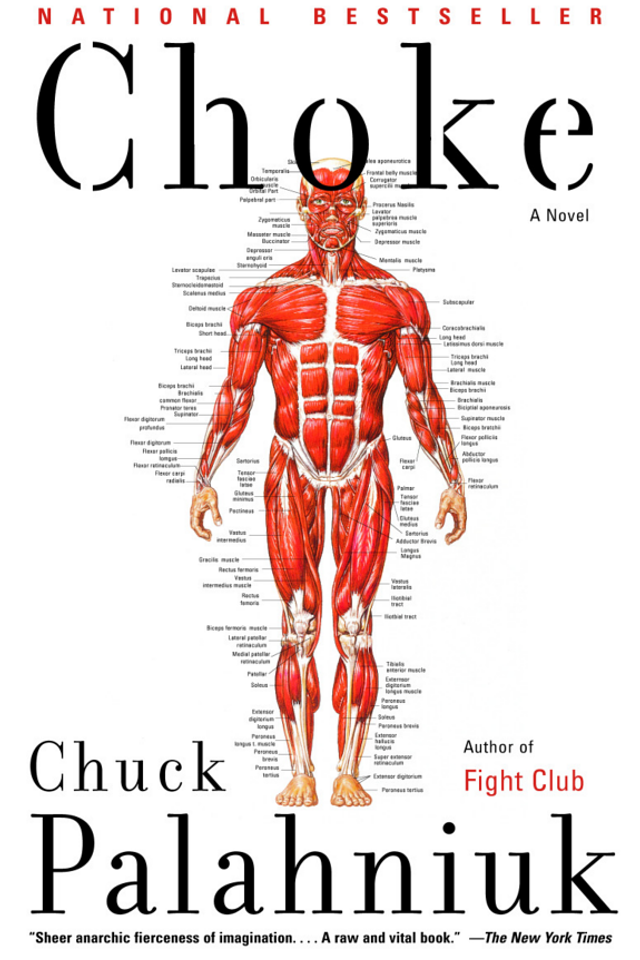
Choke cover

Choke

by Chuck Palahniuk
2000
Year
304
Pages
Comedy
Genre
But diverges

The scheme targets loneliness rather than consumer masculinity.

Chuck Palahniuk's Choke shares Fight Club's DNA while taking its themes in a different direction. Victor Mancini, a sex addict and colonial-theme-park reenactor, deliberately chokes in upscale restaurants so that the people who save him feel responsible for his wellbeing and send him money. Palahniuk reuses his signature style of short declarative sentences and dark humor, but Choke is funnier and sadder than Fight Club.

04
Match79%
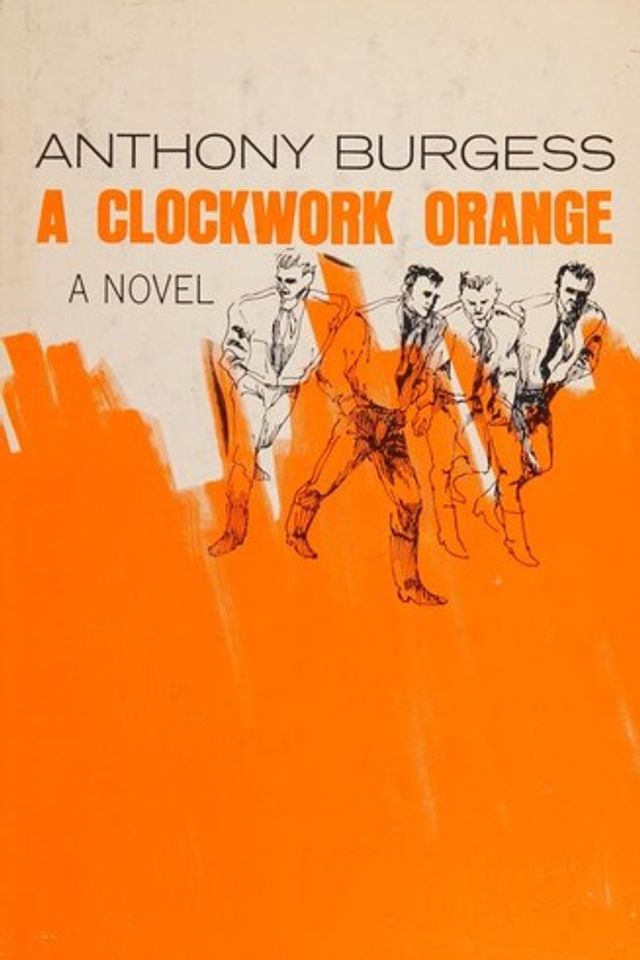
A Clockwork Orange cover

A Clockwork Orange

1961
Year
192
Pages
Dystopian
Genre
But diverges

State conditioning, not male alienation, drives the violence question.

Anthony Burgess' A Clockwork Orange shares Fight Club's interest in violence as expression and the question of whether a person stripped of the choice to do evil can truly be called good. Alex, a teenage delinquent who commits acts of terrible violence, undergoes a government conditioning program that removes his capacity for aggression. Burgess and Palahniuk both present protagonists whose violence carries a philosophical charge: Tyler Durden argues that destruction is a form of creation, while Alex's doctors argue that forced virtue is better than chosen vice.

05
Match72%
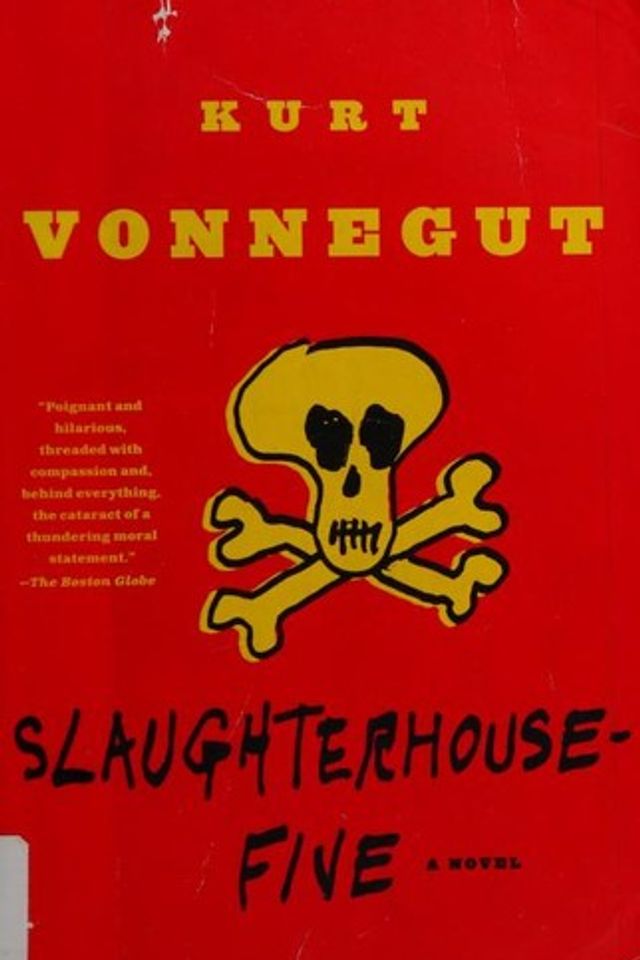
Slaughterhouse-Five cover

Slaughterhouse-Five

1968
Year
205
Pages
Science Fiction
Genre
But diverges

Time travel, not basement violence, processes the trauma.

Kurt Vonnegut's Slaughterhouse-Five shares Fight Club's fractured narrative structure and its conviction that the official stories a culture tells about itself are lies. Billy Pilgrim becomes unstuck in time, bouncing between his experiences as a prisoner of war during the firebombing of Dresden and his life as an optometrist in suburban America. Vonnegut and Palahniuk both use dark humor to address serious trauma, and both create narrators whose grip on reality is questionable.

06
Match80%
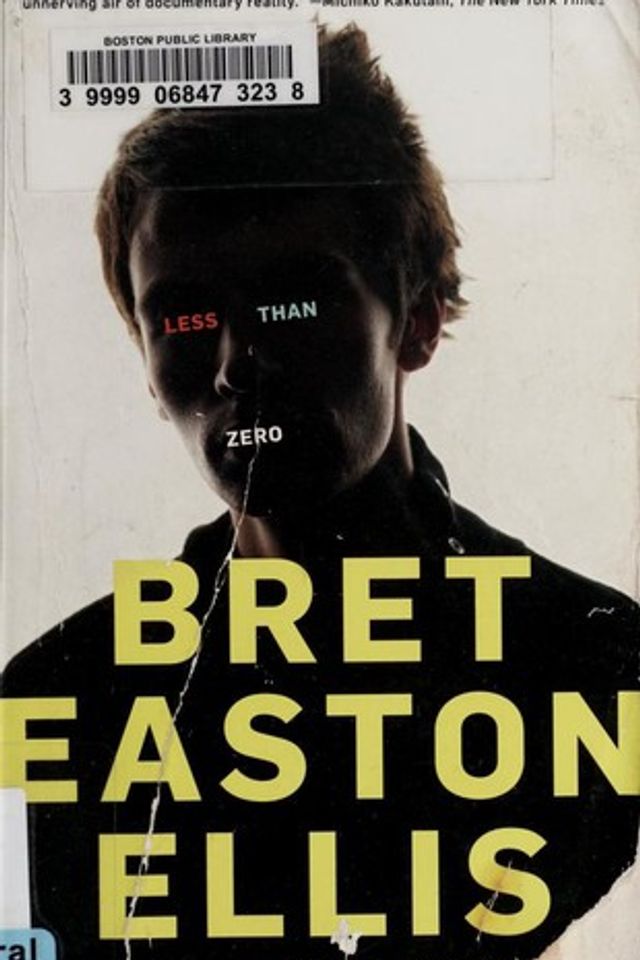
Less Than Zero cover

Less Than Zero

1984
Year
208
Pages
—
Genre
But diverges

The narrator drifts rather than fighting back.

Bret Easton Ellis' Less Than Zero established the template for the disaffected, nihilistic narrator that Palahniuk would later radicalize in Fight Club. Clay returns to Los Angeles from college and drifts through a world of wealthy young people whose access to money, drugs, and sex has left them incapable of feeling anything at all. Ellis writes in a flat, affectless style that conveys emptiness through absence rather than through Palahniuk's confrontational excess.

07
Match75%
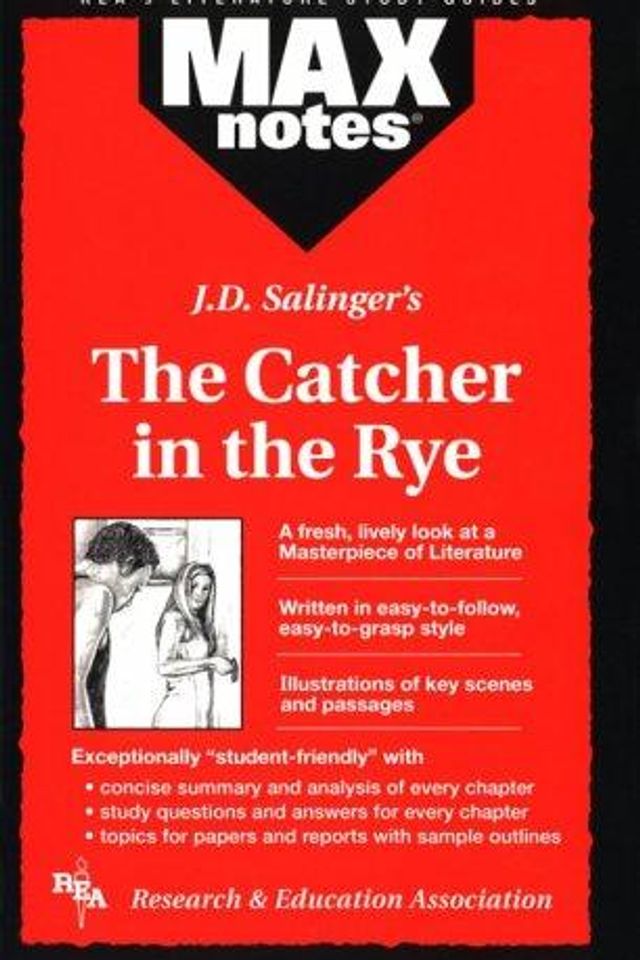
The Catcher in the Rye cover

The Catcher in the Rye

1950
Year
113
Pages
Literary Fiction
Genre
But diverges

The alienation stays wounded and adolescent, never violent.

J.D. Salinger's The Catcher in the Rye is the great-grandfather of Fight Club's angry young narrator, and the line from Holden Caulfield to the unnamed narrator of Palahniuk's novel runs straight and clear.

08
Match88%
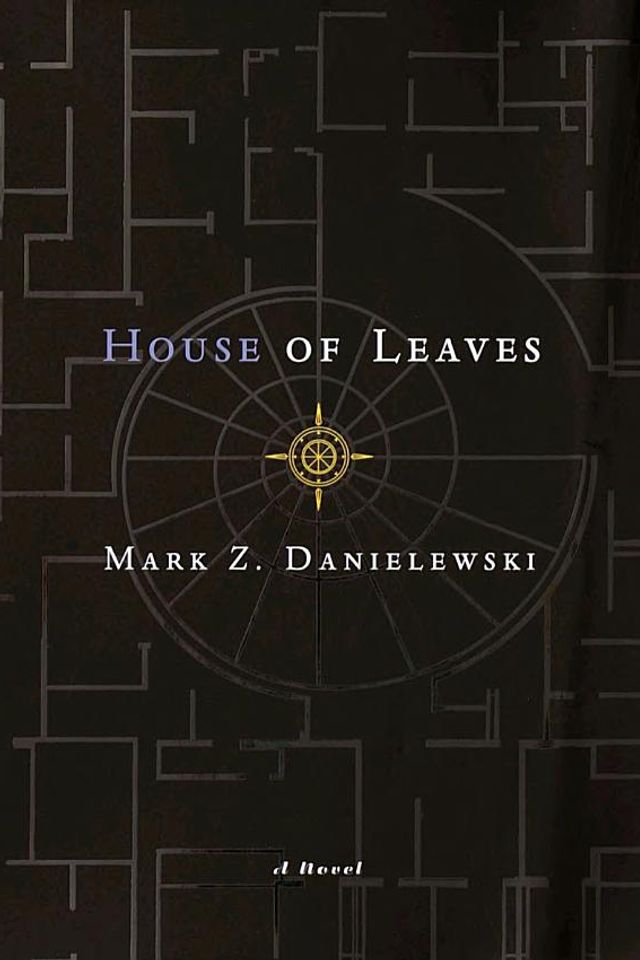
House of Leaves cover

House of Leaves

1997
Year
736
Pages
Horror
Genre
But diverges

Experimental typography replaces the basement-fight narrative.

Mark Z. Danielewski's House of Leaves is the cult novel Fight Club readers reach for when they have read everything else. The premise is a documentary about a house that is bigger on the inside than the outside, narrated by a tattoo-shop drifter who has been editing the manuscript of a dead blind man.

09
Match86%
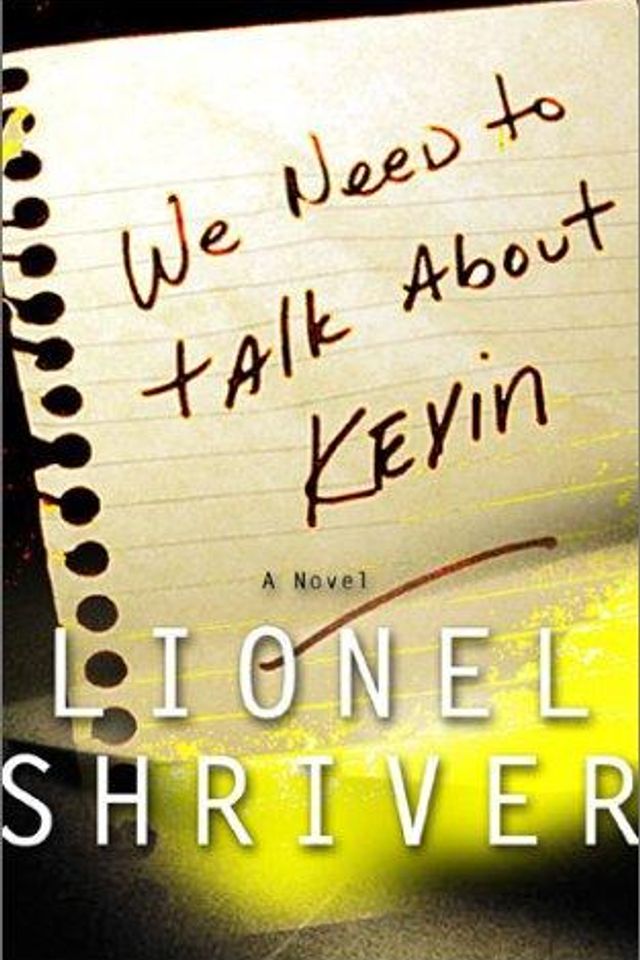
We Need to Talk About Kevin cover

We Need to Talk About Kevin

2002
Year
432
Pages
Thriller
Genre
But diverges

Domestic letter-form replaces a basement-fight plot.

Lionel Shriver's We Need to Talk About Kevin is the domestic counterpart to Fight Club's masculinity-in-crisis thesis. Eva writes letters to her estranged husband Franklin in the aftermath of their son Kevin's high-school massacre, walking herself through the years that led to the day. The narrator question is the engine.

10
Match84%
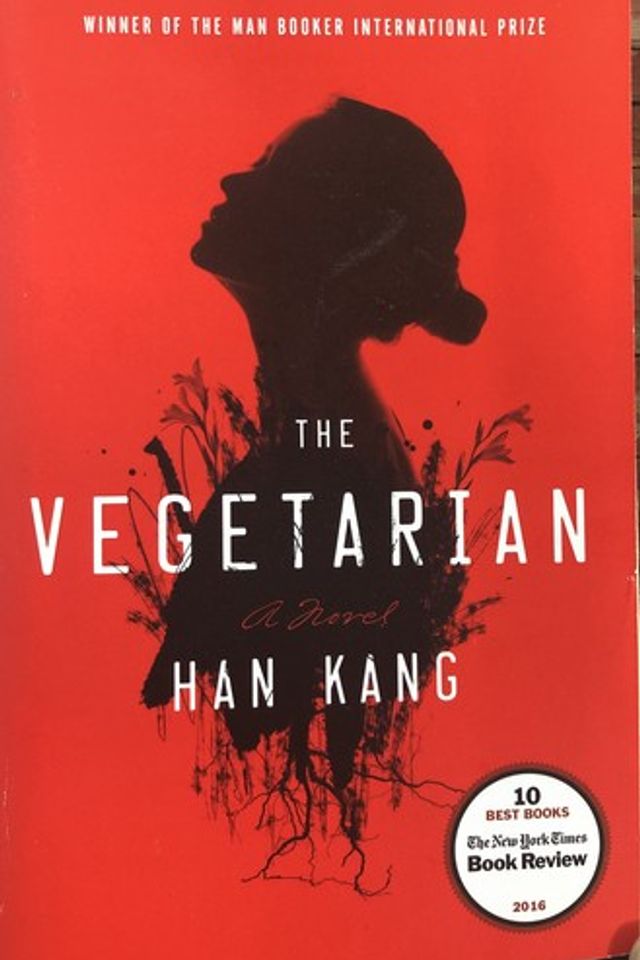
The Vegetarian cover

The Vegetarian

2006
Year
190
Pages
Literary Fiction
Genre
But diverges

Korean domestic register replaces basement-fight chaos.

Han Kang's The Vegetarian, translated into English in 2015 and now carrying additional weight after Kang's 2024 Nobel, is the slim transgressive novel Fight Club readers will swallow in one sitting. Yeong-hye, a Seoul housewife, decides to stop eating meat after a violent dream.

Hidden gem readalikes

Match82%
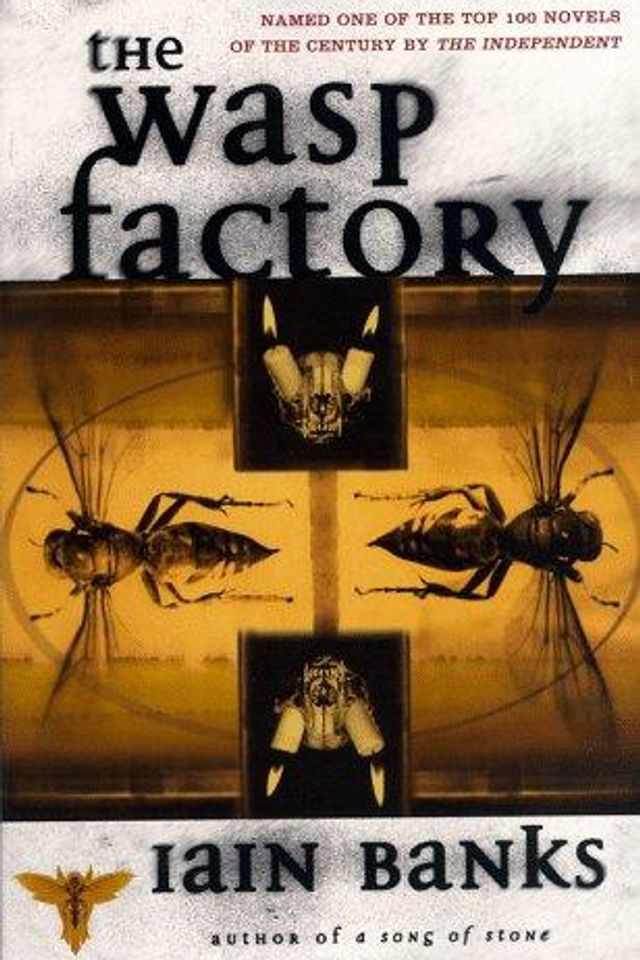
The Wasp Factory cover

The Wasp Factory

1983
Year
184
Pages
Literary Fiction
Genre
But diverges

Scottish-island isolation replaces urban basements.

Iain Banks's The Wasp Factory is a 200-page debut that Fight Club readers will spot as a kindred spirit before they hit chapter five. Frank Cauldhame is a 16-year-old boy living with his estranged father on a remote Scottish island, performing elaborate rituals with a divination machine he built from old wasp corpses, and recounting the three childhood murders he committed before his older brother escaped from a psychiatric institution.

Match81%
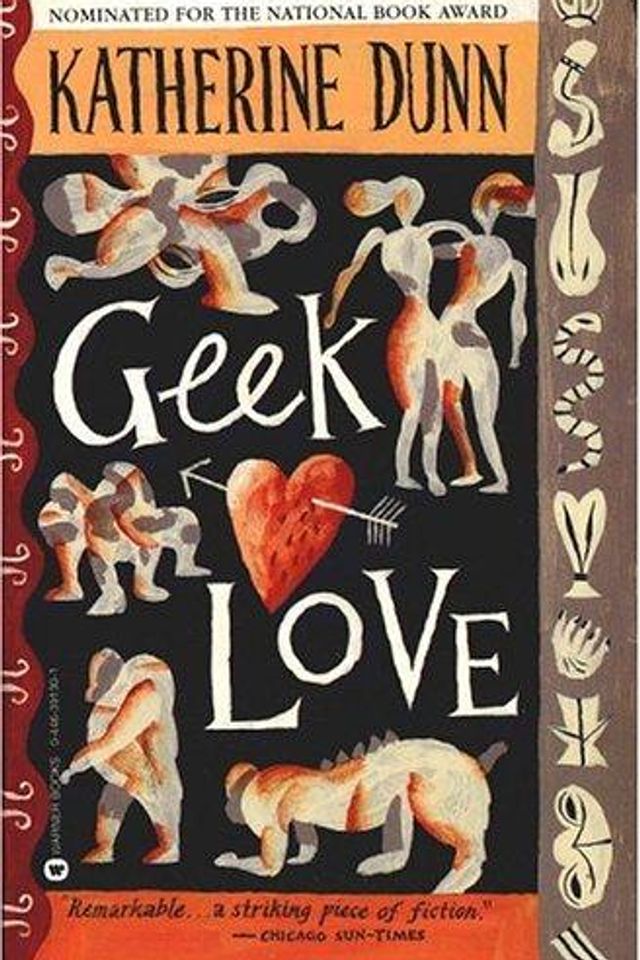
Geek Love cover

Geek Love

1988
Year
347
Pages
Literary Fiction
Genre
But diverges

Traveling-carnival setting replaces a corporate-soap narrative.

Katherine Dunn's Geek Love is the cult novel Palahniuk himself has cited as an influence, and once you read it the lineage becomes obvious. The Binewski family runs a traveling carnival, and the parents have deliberately bred their children with deformities to make them sideshow attractions.

Match79%
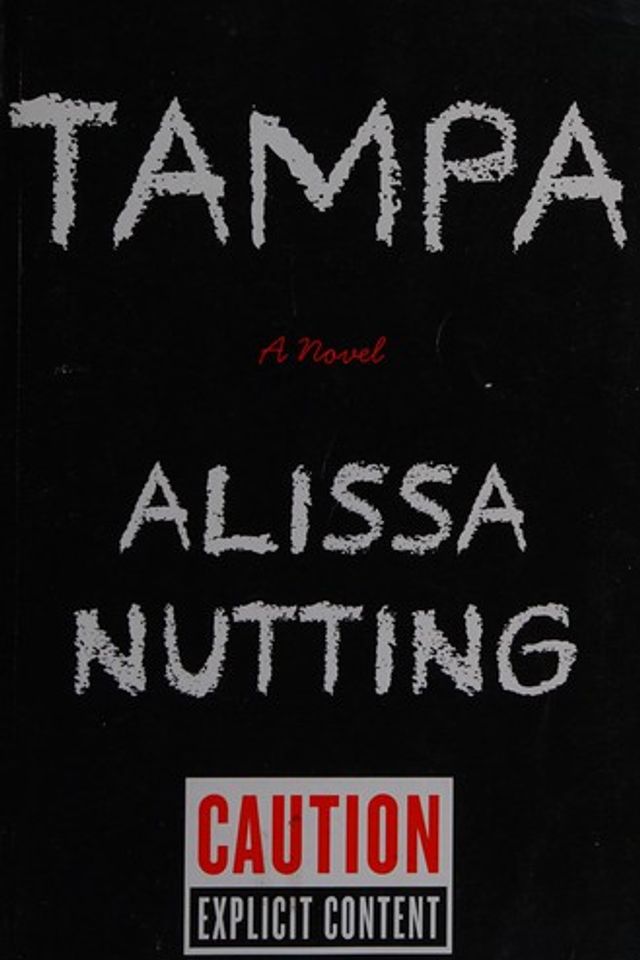
Tampa cover

Tampa

2012
Year
266
Pages
Literary Fiction
Genre
But diverges

Female predator inverts the standard transgressive-fiction lineage.

Alissa Nutting's Tampa is the most polarizing transgressive novel of the last 15 years, and it earns the comparison to Fight Club for the same reason American Psycho earns it: a cold, articulate predator narrates the book without remorse. Celeste Price is a 26-year-old Florida middle-school teacher who pursues a relationship with a 14-year-old male student.

New release readalikes

Match84%
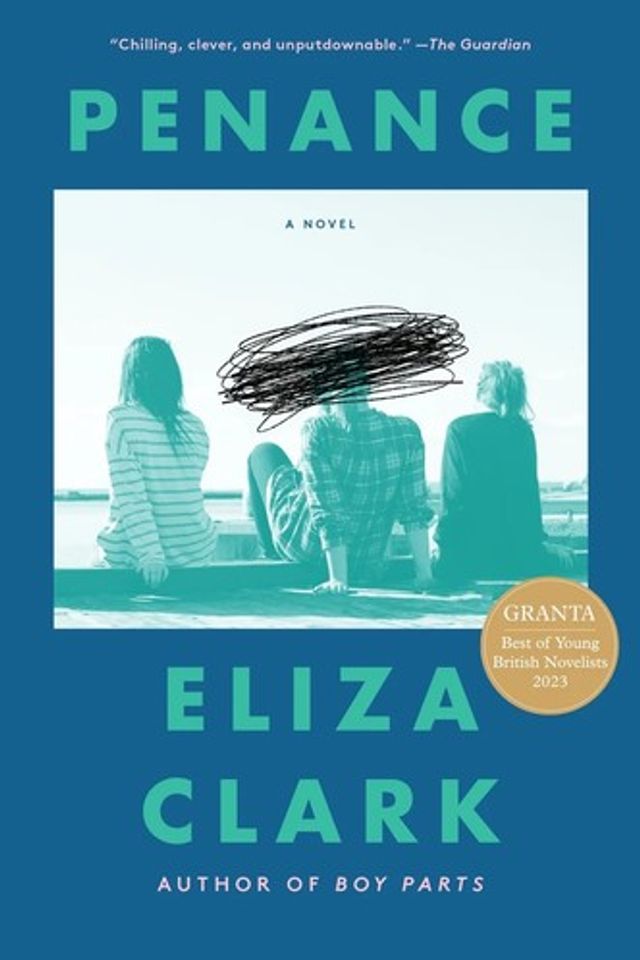
Penance cover

Penance

2022
Year
—
Pages
Literary Fiction
Genre
But diverges

True-crime documentary frame replaces basement-cellar plot.

Eliza Clark's Penance, released July 2023, is the transgressive novel Fight Club readers have been waiting for since the 2000s. The book is framed as a true-crime nonfiction account by journalist Alec Z. Carelli of the murder of 16-year-old Joan Wilson, set on fire by three classmates in a run-down Yorkshire seaside town.

Match82%
The Unworthy cover

The Unworthy

2022
Year
—
Pages
Literary Fiction
Genre
But diverges

Convent-as-cult replaces fight-club-as-cult.

Agustina Bazterrica's The Unworthy, released in English March 2025 from the author of Tender Is the Flesh, sets a religious order of women writing in the dark on stolen paper while the world outside has collapsed. The narrator hides her writing because the Sisterhood punishes literacy, and the diary moves between her current order's violent rituals and memories of the climate-collapsed world she fled.

Why are these books similar to Fight Club?

These picks were chosen because they channel the same restless energy that makes Chuck Palahniuk's novel hit so hard: disaffected narrators, consumer culture turned inside out, prose that moves like a fist, and the suspicion that modern life is a performance nobody asked to audition for. Fight Club is a book about masculinity in crisis and identity as something you destroy before you can rebuild, and every recommendation here works that same territory from a different angle.

Across the list, readers will encounter ultraviolent satire filtered through a future slang that rewires how you read, antiwar absurdism where time itself fractures under the weight of trauma, and a teenager's furious rejection of everything the adult world offers him.

This list is designed for readers who want books similar to Fight Club that refuse to be polite about what they see wrong with the world, and who prefer fiction that leaves a mark rather than a comfortable impression.

Get AI picks