Dark Matter
Parallel universes here, not memory-altering neuroscience.
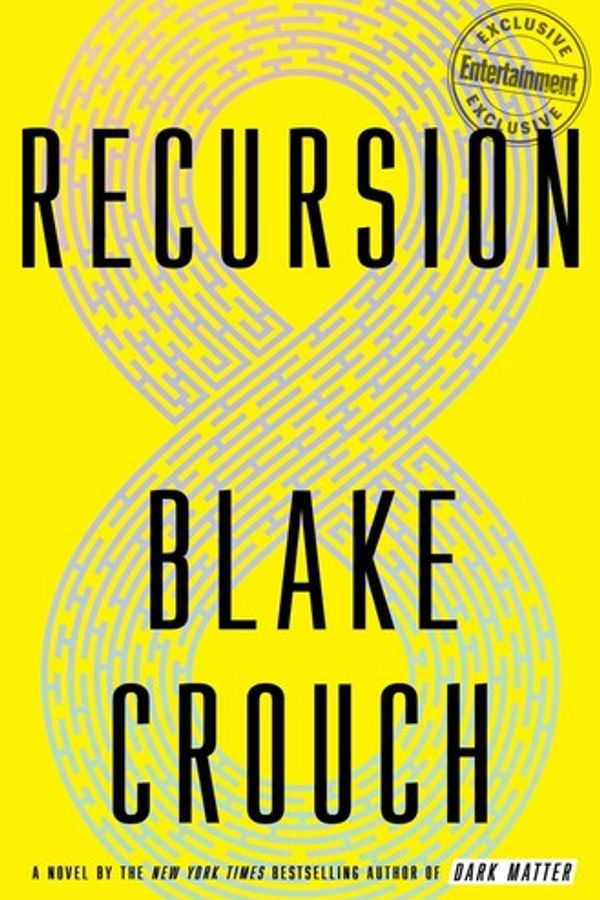
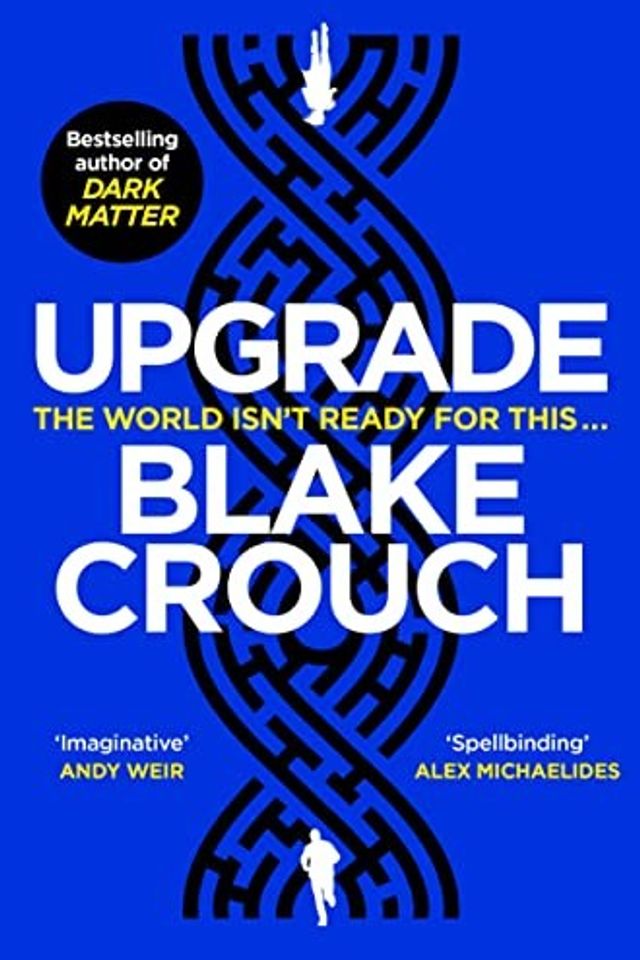
Start here if you want more of Recursion's exact formula, because Dark Matter is Blake Crouch running it again with a different equation. Jason Dessen, a physics professor, gets kidnapped and wakes up in another version of his life, one where he made different choices. Like Recursion, it takes one scientific idea and pushes it to its most terrifying end: what happens when you can reach the roads not taken?
Recursion bends memory, and Dark Matter bends the multiverse, but both put a man at the center who is fighting to get back to the people he loves. The pacing matches Recursion's nonstop momentum, with barely a breath between reveals. Crouch writes action like a film director, so every chase and fight feels physical even when the science turns speculative.
At heart this is a book about family and identity. Both novels ask whether you are still the same person if your reality changes underneath you. The twists reward close reading, since clues planted early pay off in ways that feel both surprising and inevitable.