
Home/Dystopian/Books Like The Memory Police
The reading map

Books like
The Memory Police

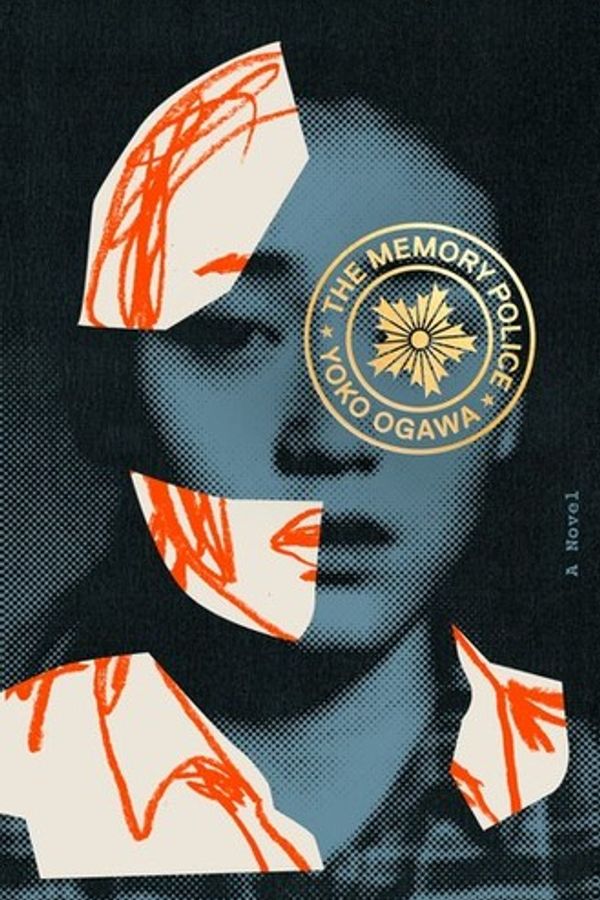
Books that share the enforced erasure, quiet surreal prose, and loss of identity under state pressure of The Memory Police.

15
Picks
Rhett Callahan
Curated by
May 2026
Updated

The essential companions

01
Match91%
Never Let Me Go cover

Never Let Me Go

2004
Year
288
Pages
Literary Fiction
Genre
But diverges

A boarding school setting replaces the unnamed island under surveillance.

Kazuo Ishiguro's novel shares The Memory Police's most disturbing quality: characters who accept a monstrous system with almost no resistance. Kathy, Tommy, and Ruth grow up at Hailsham, a boarding school in the English countryside, and slowly come to understand the purpose they were created to serve. Like Ogawa's islanders, they know what is being taken from them and they comply anyway. Both novels use restraint as a weapon, keeping their prose calm and conversational even as the horror of the situation becomes clear.

02
Match82%
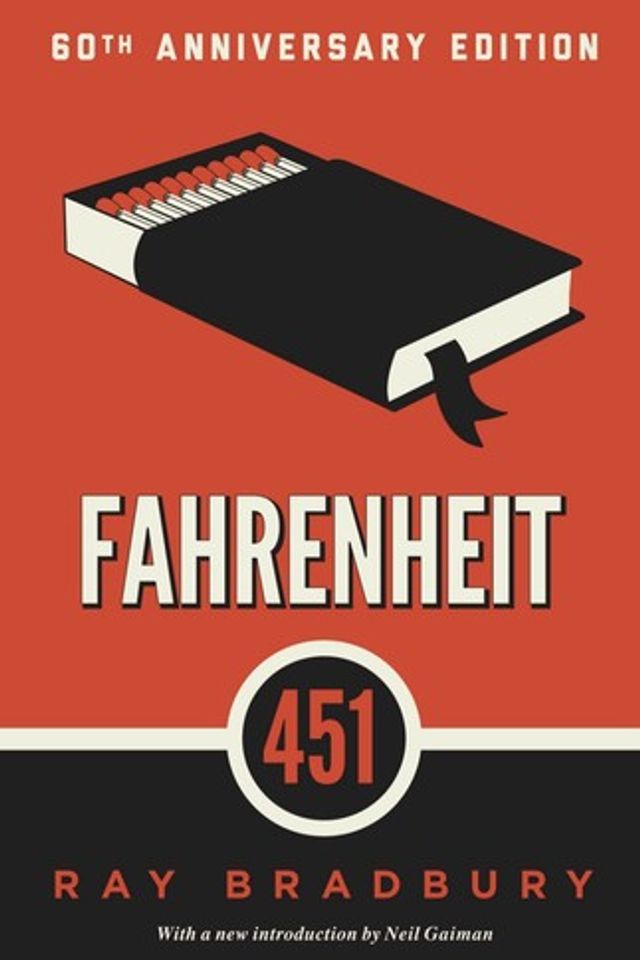
Fahrenheit 451 cover

Fahrenheit 451

1952
Year
76
Pages
Dystopian
Genre
But diverges

A fireman protagonist actively participates in the erasure system.

Ray Bradbury's classic imagines a future where firemen burn books instead of putting out fires, and Guy Montag begins to question the system he serves. The parallel to The Memory Police is direct: both novels depict a society that has decided to systematically destroy categories of knowledge, and both follow someone who begins to hide what the state wants eliminated. Ogawa's narrator conceals her editor in a secret room.

AI Suggestions

None of these quite right?

Hand us a few books you’ve loved and we’ll surface ten matches in seconds, with reasoning, not just covers.

Try AI Suggestions
Free · 30 seconds · No signup
readalikes.com/ai-book-recommender
Readalikes AI recommender results on desktop
Readalikes AI recommender on mobile
03
Match79%
The Vegetarian cover

The Vegetarian

2006
Year
190
Pages
Literary Fiction
Genre
But diverges

Erasure happens within one body rather than across an island.

Han Kang's novel and The Memory Police both track the slow disappearance of a person, but from opposite directions. Ogawa's narrator loses the world around her: objects, memories, and categories of experience vanish one by one. Yeong-hye loses herself from the inside out, her refusal to eat meat escalating into a refusal to eat at all, then a desire to become a plant. Both novels treat this process of erasure with a strange, almost clinical calm.

04
Match71%
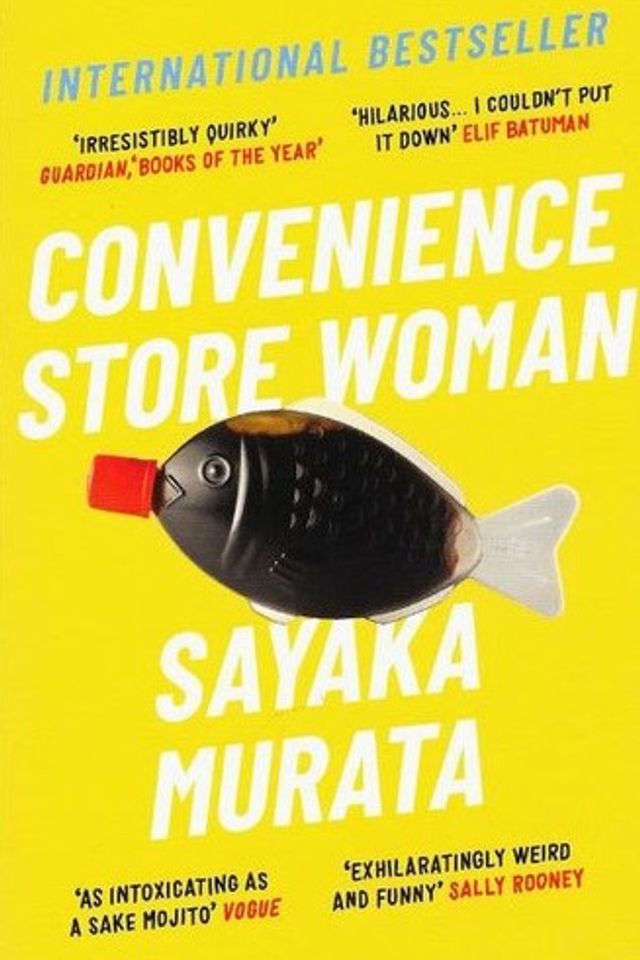
Convenience Store Woman cover

Convenience Store Woman

2017
Year
163
Pages
Fantasy
Genre
But diverges

Social pressure replaces a literal secret police enforcing disappearance.

Sayaka Murata's novel operates in a different register than The Memory Police but shares its central preoccupation: what happens to a person who does not fit the patterns society demands. Keiko Furukura has worked at a convenience store for eighteen years and feels no desire to advance, marry, or conform to the life script her family and friends expect. Like Ogawa's narrator, Keiko exists in a world with strict rules about what is normal and what must be eliminated.

05
Match80%
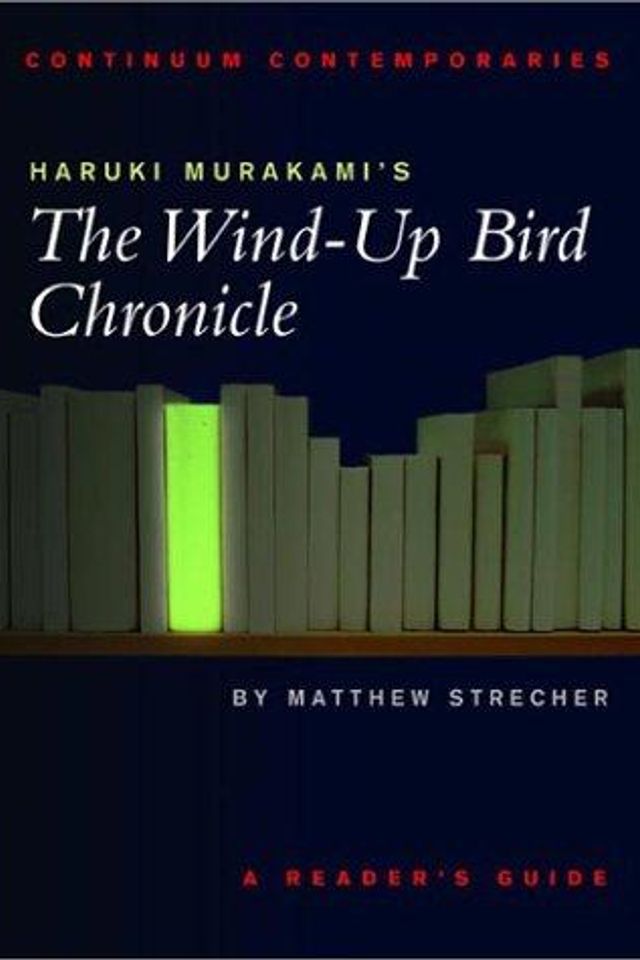
The Wind-Up Bird Chronicle cover

The Wind-Up Bird Chronicle

1993
Year
—
Pages
Literary Fiction
Genre
But diverges

A sprawling magical epic replaces a contained island parable.

Haruki Murakami's longest novel shares The Memory Police's architecture of disappearance and hidden rooms. Toru Okada's wife vanishes. His cat vanishes. He descends into a dry well and enters a dreamlike hotel corridor that may or may not exist.

06
Match83%
The Hole cover

The Hole

2019
Year
112
Pages
Contemporary Fiction
Genre
But diverges

Rural unease replaces political enforcement as the source of dread.

Hiroko Oyamada's novella occupies the same literary space as The Memory Police: contemporary Japanese fiction where the ordinary curdles into something wrong without anyone raising an alarm. Asa moves to the countryside after her husband takes a new job, and the landscape begins to behave strangely. She sees an animal she cannot identify. A neighbor's child appears and disappears.

07
Match76%
Kafka on the Shore cover

Kafka on the Shore

2001
Year
—
Pages
Literary Fiction
Genre
But diverges

Warm humor and talking cats lighten the dreamlike disappearance.

Murakami's earlier novel shares The Memory Police's interest in parallel worlds where different rules apply and things go missing without explanation. Fifteen-year-old Kafka Tamura runs away from home and ends up in a private library in Takamatsu. Meanwhile, an elderly man named Nakata, who lost his memory during a childhood incident, can talk to cats and is drawn toward the same destination by forces he does not understand.

08
Match90%
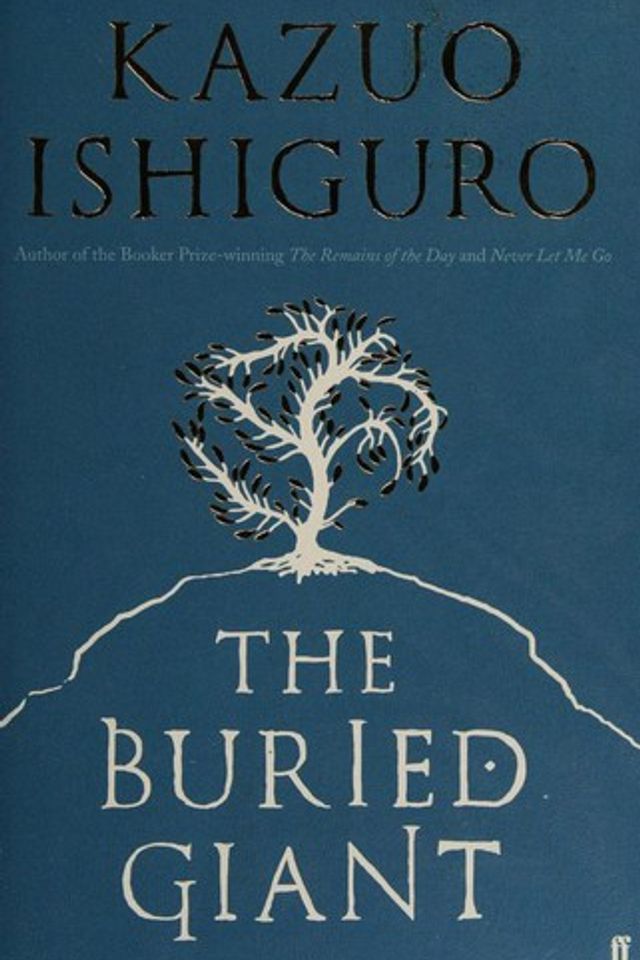
The Buried Giant cover

The Buried Giant

1899
Year
317
Pages
Literary Fiction
Genre
But diverges

Post-Arthurian English mist replaces a contemporary island setting.

Kazuo Ishiguro's The Buried Giant is the Memory Police readalike that almost feels like a sibling text. An elderly couple, Axl and Beatrice, set out across a post-Arthurian England covered in a mist that erases memory, searching for a son they can barely remember they have.

09
Match86%
Strange Weather in Tokyo

Strange Weather in Tokyo

2024
Year
—
Pages
Literary Fiction
Genre
But diverges

Tender izakaya romance replaces dystopian erasure.

Hiromi Kawakami's Strange Weather in Tokyo, originally published as Sensei no Kaban in 2001 and translated into English in 2012, is the Memory Police readalike for the quiet-Japanese-fiction shelf. Tsukiko, a 38-year-old office worker, runs into her former high-school teacher in a Tokyo izakaya and the two begin a slow, irregular drinking friendship that turns into something else.

10
Match84%
The Unconsoled cover

The Unconsoled

1987
Year
535
Pages
Literary Fiction
Genre
But diverges

Central European concert tour replaces a quiet island.

Kazuo Ishiguro's The Unconsoled is the strangest book on his shelf and the one Memory Police fans will spot fastest. Ryder, a celebrated pianist, arrives in an unnamed central European city to give a concert, and over the following 500 pages he wanders through a town where everyone seems to know him, where streets fold back on themselves, and where his own family keeps stepping out of the wallpaper.

Hidden gem readalikes

Match85%
The Factory

The Factory

—
Year
—
Pages
Literary Fiction
Genre
But diverges

Sprawling corporate campus replaces a small island.

Hiroko Oyamada's The Factory, translated by David Boyd in 2019, is the closest thing in translated Japanese fiction to a sibling novel for The Memory Police. Three new hires take pointless jobs at an enormous corporate factory complex that has its own forests, its own buses, its own wildlife, and its own logic. One employee shreds documents. Another proofreads.

Match80%
The Hearing Trumpet cover

The Hearing Trumpet

1975
Year
160
Pages
Literary Fiction
Genre
But diverges

Surrealist convent rest home replaces an island under erasure.

Leonora Carrington's The Hearing Trumpet, written in the 1950s and finally published in English in 1976, is the surrealist cult novel Memory Police readers reach for once they have finished the obvious shelf. Marian Leatherby, a 92-year-old deaf woman with a beard, is given a hearing trumpet by a friend and uses it to overhear her family's plan to commit her to a religious rest home run by a sinister doctor and his Christian sisterhood.

Match78%
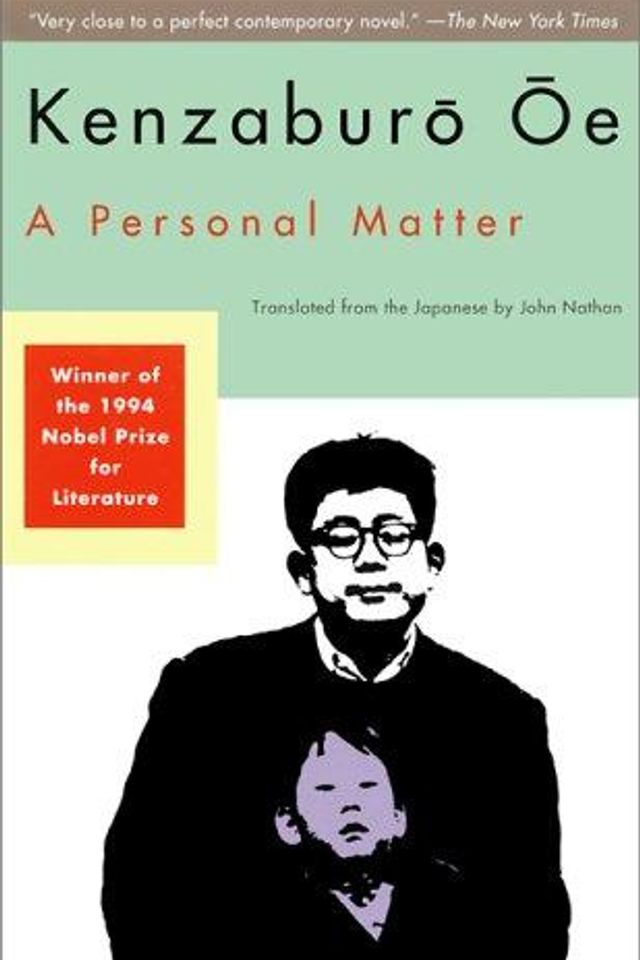
A Personal Matter cover

A Personal Matter

1963
Year
165
Pages
Literary Fiction
Genre
But diverges

Personal moral crisis replaces an island-wide allegory.

Kenzaburo Oe's A Personal Matter, first published in Japanese in 1964 and translated into English in 1968, is the Nobel laureate's autobiographical novel about the days after his son was born with a brain hernia. Bird, a 27-year-old cram-school teacher, watches his son arrive with a visible deformity and spends a week considering whether to let the child die, hiding in the bed of an old college friend, drinking himself sick on cheap whisky, and trying to escape into a fantasy of an African road trip.

New release readalikes

Match91%
Under the Eye of the Big Bird

Under the Eye of the Big Bird

2024
Year
288
Pages
Literary Fiction
Genre
But diverges

Far-future post-human extinction replaces an island under erasure.

Hiromi Kawakami's Under the Eye of the Big Bird, translated by Asa Yoneda and released in English September 2024, is the perfect 2020s companion to The Memory Police. Set in a far future in which humanity is dying out, the book follows fourteen linked stories of people raised by mothers, watchers, and AI guardians in tiny scattered settlements where the rules of birth, language, and identity have all quietly shifted.

Match81%
The Premonition

The Premonition

—
Year
—
Pages
Literary Fiction
Genre
But diverges

Suburban family memory replaces an island-wide erasure.

Banana Yoshimoto's The Premonition, originally published in Japanese in 1988 and translated into English by Asa Yoneda in October 2023, is the late-career Yoshimoto book the Memory Police shelf has been waiting for. Yayoi, a 19-year-old from a quietly happy family, has the persistent feeling that she has forgotten something important about her own life.

Why are these books similar to The Memory Police?

These books like The Memory Police were selected because they share Yoko Ogawa's quiet, unsettling approach to stories about what gets taken from us and what we allow to disappear. Each recommendation uses a speculative premise to ask how much of ourselves we can lose before we stop being recognizable, even to ourselves.

Among these recommendations, you will find students at an English boarding school slowly realizing the horrifying purpose they were created to serve, a society that has outlawed books and the firemen tasked with burning any that remain, and a woman whose refusal to eat meat becomes an act of transformation that her family cannot accept. Each novel moves at its own deliberate pace, letting the horror accumulate through restraint rather than spectacle.

These picks are for readers who want literary speculative fiction that is atmospheric, philosophically rich, and more interested in what absence reveals than in what action accomplishes.

Y
The author
Yoko Ogawa
Explore more books
Get AI picks