Home/Memoir/Books Like Shoe Dog
The reading map

Books like
Shoe Dog

Books that share founder obsession, iconic brand-building, and the cost of ambition with Shoe Dog.

15
Picks
Rhett Callahan
Curated by
May 2026
Updated

The essential companions

01
Match85%
Steve Jobs cover

Steve Jobs

by Walter Isaacson
2010
Year
672
Pages
Memoir
Genre
But diverges

A journalistic outside biography replaces a founder's own memoir voice.

Walter Isaacson's Steve Jobs is the authorized biography of Apple's cofounder, drawing on more than forty interviews with Jobs himself plus extensive conversations with family, friends, colleagues, and competitors. Like Shoe Dog, the book captures the intensity of building a world-changing company, but where Knight writes with self-deprecating warmth, Jobs's story is told through the lens of his famously difficult personality.

02
Match84%
The Everything Store cover

The Everything Store

by Brad Stone
2012
Year
372
Pages
Non-Fiction
Genre
But diverges

Reporter-driven journalism replaces first-person founder confession.

Brad Stone's The Everything Store documents Jeff Bezos's construction of Amazon from an online bookstore operating out of a garage to one of the most powerful companies on earth. Like Shoe Dog, the book traces the arc from scrappy startup to global dominance, but Stone's account is more journalistic than personal, built from interviews with hundreds of current and former Amazon employees.

AI Suggestions

None of these quite right?

Hand us a few books you’ve loved and we’ll surface ten matches in seconds, with reasoning, not just covers.

Try AI Suggestions
Free · 30 seconds · No signup
readalikes.com/ai-book-recommender
Readalikes AI recommender results on desktop
Readalikes AI recommender on mobile
03
Match82%
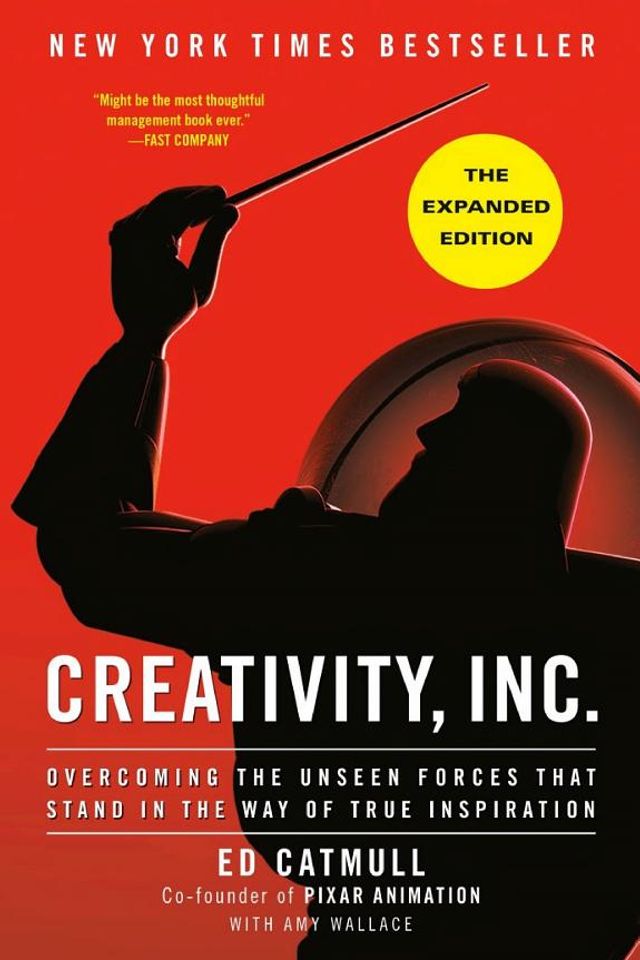
Creativity, Inc. cover

Creativity, Inc.

2000
Year
368
Pages
Memoir
Genre
But diverges

Management theory replaces a founding-years narrative arc.

Ed Catmull's Creativity, Inc. tells the story of Pixar from the inside, written by the company's cofounder and longtime president. Unlike most business books, Creativity, Inc.

04
Match86%
Made in America cover

Made in America

1991
Year
269
Pages
Comedy
Genre
But diverges

Folksy retail-strategy lessons replace literary Nike storytelling.

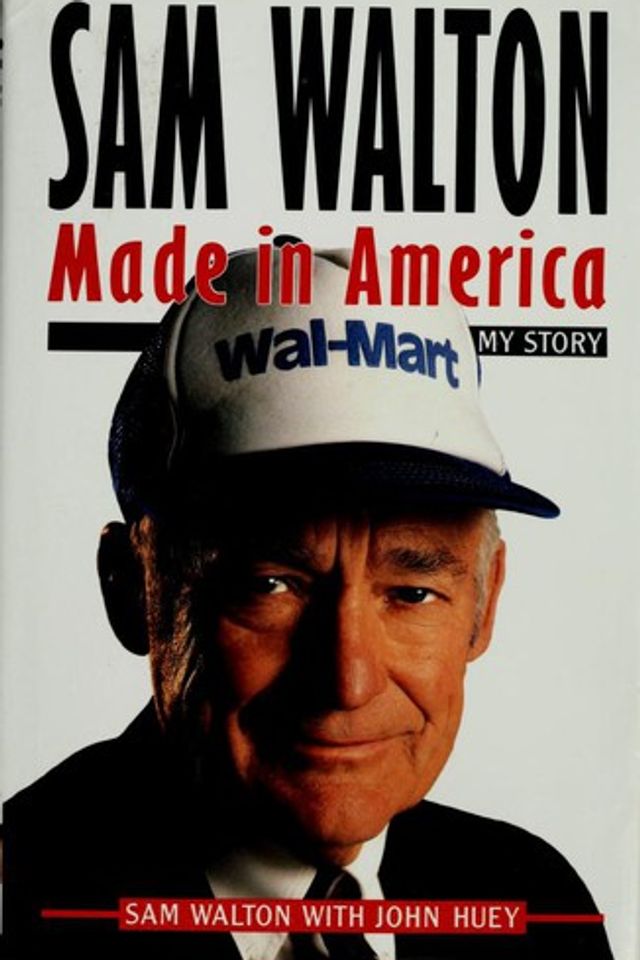
Sam Walton's Made in America is the autobiography of Walmart's founder, written shortly before his death in 1992. Walton started with a single Ben Franklin franchise store in Newport, Arkansas, and built it into the largest retailer in the world through relentless focus on low prices, distribution efficiency, and small-town locations that competitors overlooked.

05
Match81%
Open cover

Open

2008
Year
502
Pages
Philosophy
Genre
But diverges

A tennis champion's hatred of his sport replaces entrepreneurship.

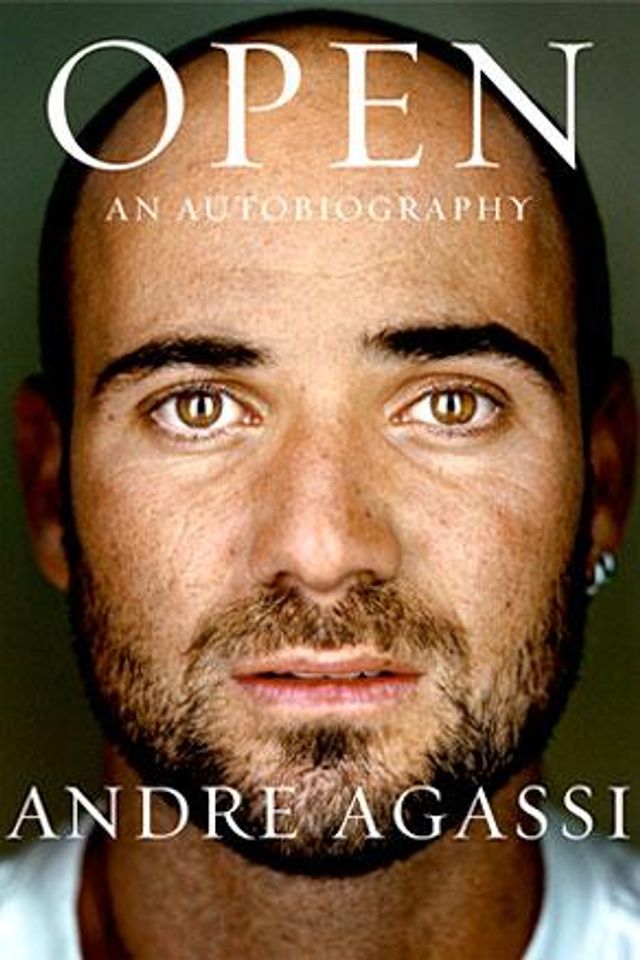
Andre Agassi's Open is a memoir that shares Shoe Dog's rare quality among autobiographies: complete emotional honesty from someone who had every reason to write a victory lap instead. Agassi reveals that he hated tennis for most of his career, that his father's obsessive training left psychological scars, and that his public persona bore little resemblance to the person behind it. The writing is vivid and athletic, co-authored with Pulitzer Prize winner J.

06
Match70%
The Power of Habit cover

The Power of Habit

2015
Year
400
Pages
Non-Fiction
Genre
But diverges

Science of habits replaces memoir of a single founder's life.

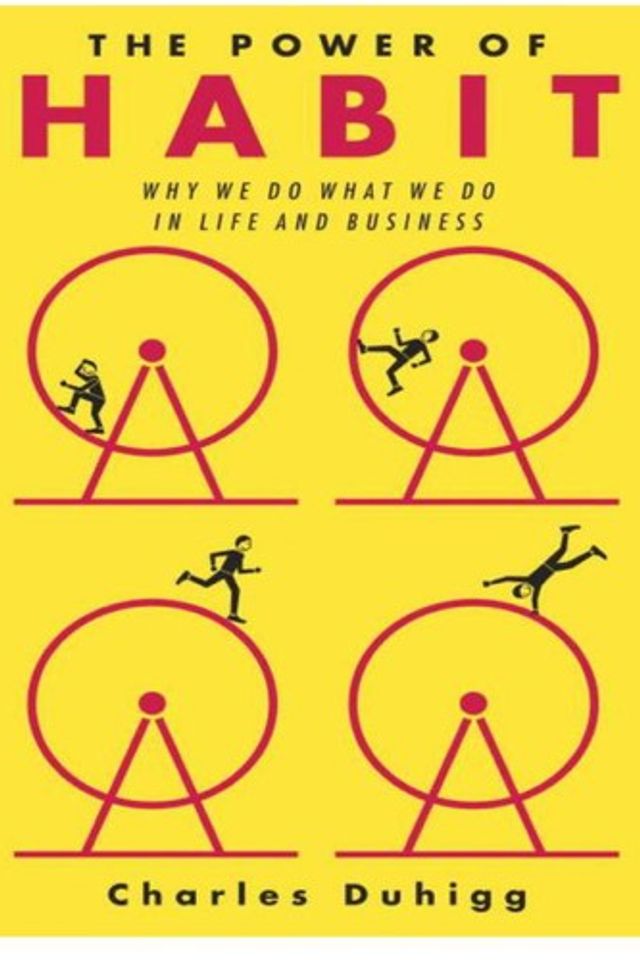
Charles Duhigg's The Power of Habit may seem like an unexpected recommendation alongside business biographies, but it explains something Shoe Dog demonstrates without analyzing: how organizational habits shape company culture. Duhigg describes how specific routines and cue-routine-reward loops drive behavior in individuals, companies, and movements. Several of the habits Knight describes at Nike, the running culture, the risk-taking attitude, the relentless focus on athletes, fit Duhigg's framework precisely.

07
Match75%
Outliers cover

Outliers

2007
Year
320
Pages
Non-Fiction
Genre
But diverges

Sociological analysis replaces a personal founder memoir.

Malcolm Gladwell's Outliers examines the hidden factors behind extraordinary success, arguing that timing, culture, family background, and accumulated advantages matter as much as individual talent and effort. Knight's story fits Gladwell's thesis remarkably well: Nike succeeded partly because Knight happened to be a runner at the University of Oregon under legendary coach Bill Bowerman, partly because the jogging boom created a market at exactly the right moment, and partly because Japanese manufacturing costs made his business model viable when it would not have been a decade earlier.

08
Match89%
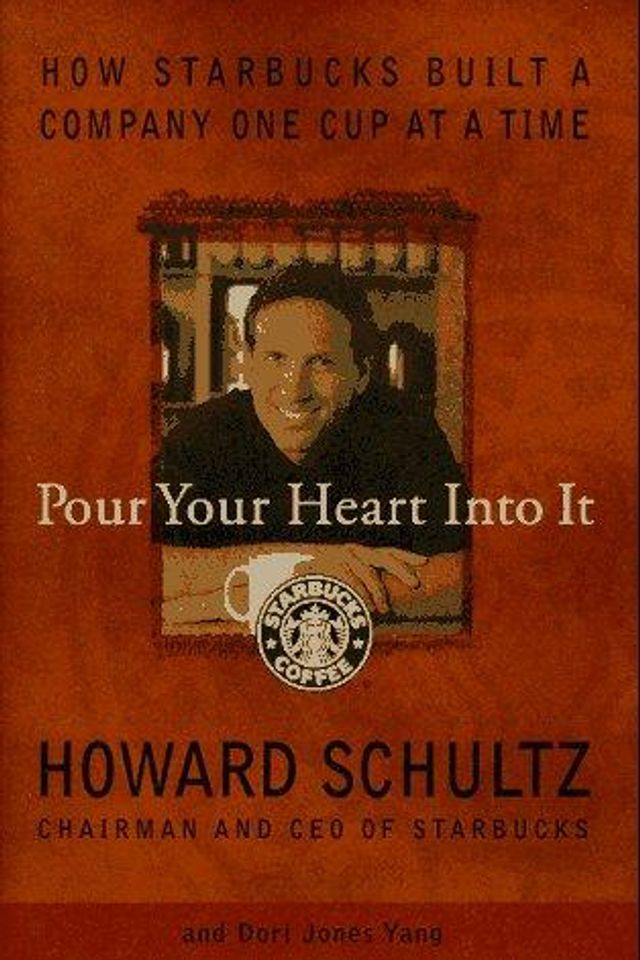
Pour Your Heart Into It cover

Pour Your Heart Into It

1996
Year
351
Pages
Non-Fiction
Genre
But diverges

Espresso bars in Seattle replace running shoes in Oregon.

Howard Schultz's Pour Your Heart Into It is the closest sibling Shoe Dog has on the shelf. Schultz grew up in Brooklyn public housing, joined a small Seattle coffee bean retailer called Starbucks, got rejected when he pitched the espresso bar concept, left to start his own chain, and came back years later to buy the original company and merge the two.

09
Match86%
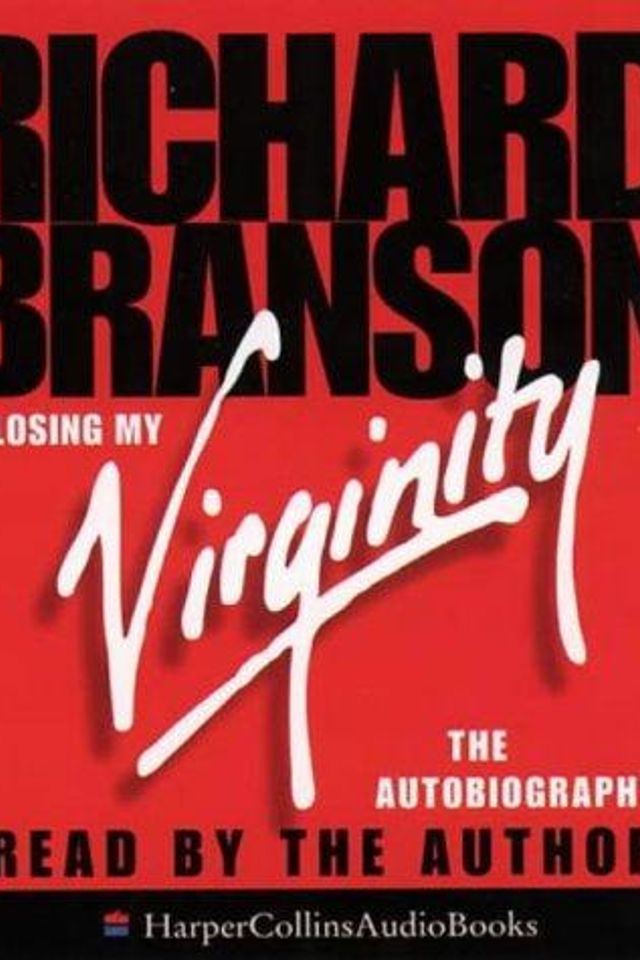
Losing My Virginity cover

Losing My Virginity

1998
Year
608
Pages
Non-Fiction
Genre
But diverges

Hot-air balloons and record labels replace shoe orders from Onitsuka.

Richard Branson's Losing My Virginity is Shoe Dog's louder, more reckless cousin. Branson dropped out of school at 16, started a magazine, opened a record store, signed the Sex Pistols, launched an airline by leasing a single 747, and crashed multiple hot-air balloons trying to circle the globe.

10
Match84%
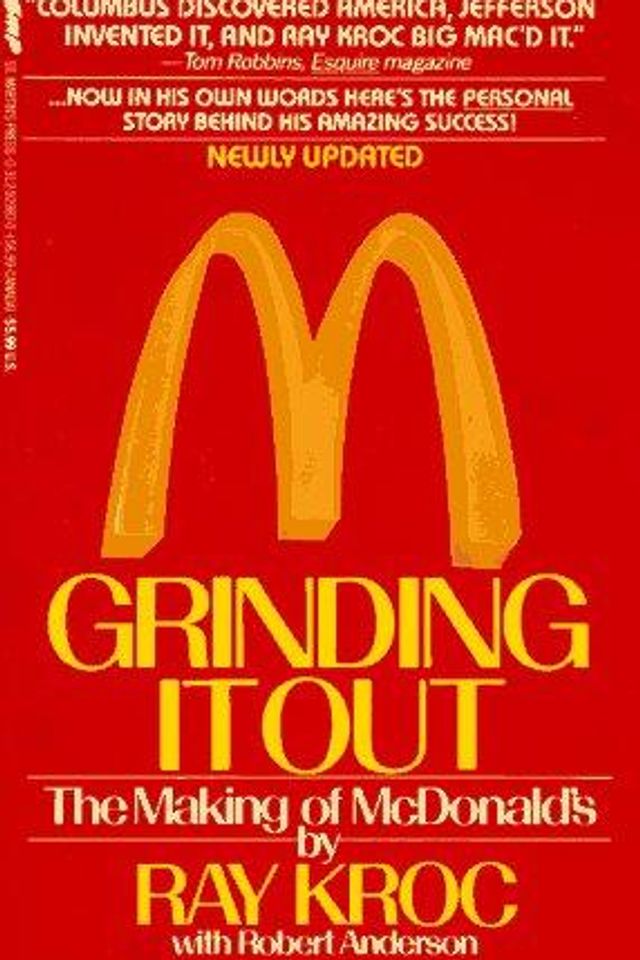
Grinding It Out cover

Grinding It Out

1976
Year
218
Pages
Non-Fiction
Genre
But diverges

Hamburger franchising replaces athletic-shoe distribution.

Ray Kroc's Grinding It Out is the founder memoir Shoe Dog readers should pick up if they want the older, more bare-knuckle entry in the canon. Kroc was a 52-year-old milkshake-machine salesman when he walked into a San Bernardino burger stand run by the McDonald brothers and decided he wanted to franchise it.

Hidden gem readalikes

Match83%
Let My People Go Surfing cover

Let My People Go Surfing

2004
Year
272
Pages
Non-Fiction
Genre
But diverges

Climbing gear and environmental ethics replace pure brand-building grit.

Yvon Chouinard's Let My People Go Surfing is the Shoe Dog of climbing and surfing, and most readers who love Knight's book have somehow missed it. Chouinard started forging climbing pitons in his car trunk in the late 1950s, sold them out of his trunk on the way to climbs in Yosemite, and slowly built Patagonia into a $1 billion outdoor apparel company while refusing to follow standard growth playbooks.

Match80%
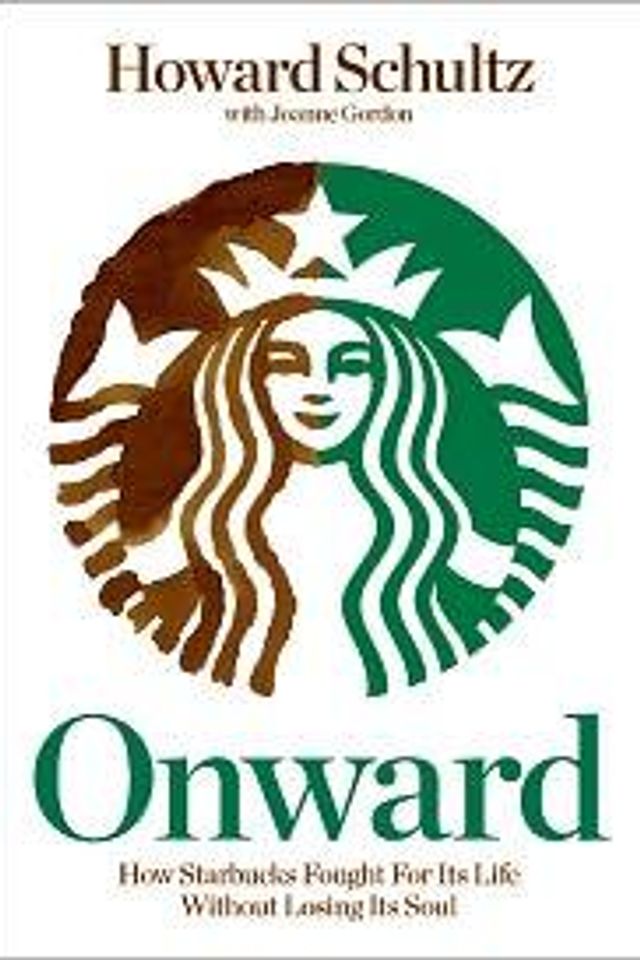
Onward cover

Onward

2010
Year
350
Pages
Non-Fiction
Genre
But diverges

Comeback story replaces founding story.

Howard Schultz's Onward is the underread sequel to Pour Your Heart Into It, and it earns a place next to Shoe Dog for one specific reason: it covers the year a founder came back to save his own company. Schultz had stepped away from the Starbucks CEO role in 2000, watched the company over-expand and lose its way through the 2008 financial crisis, and returned in 2008 to close 600 stores, retrain every barista, and rebuild the brand.

Match82%
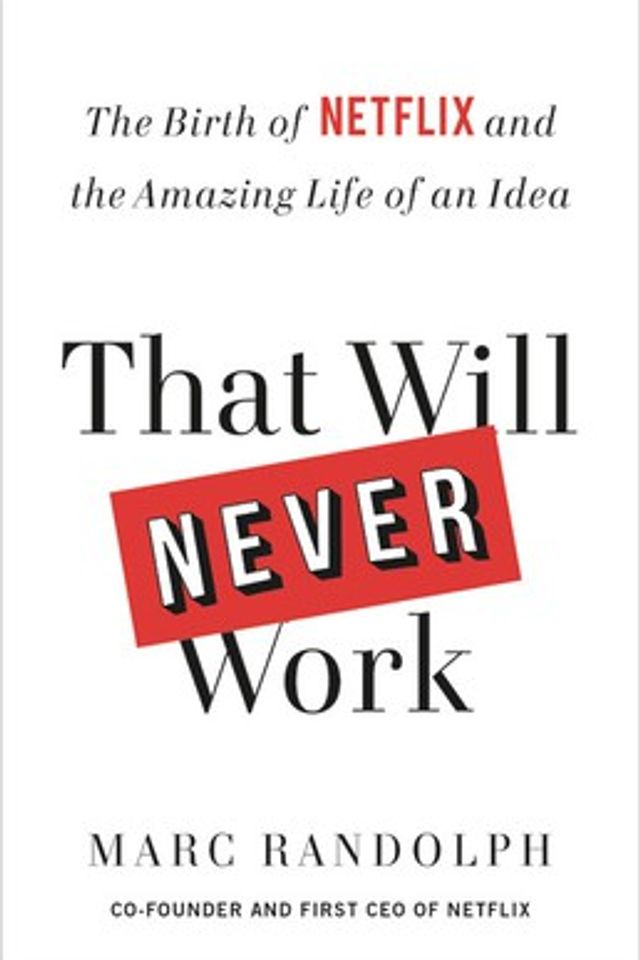
That Will Never Work cover

That Will Never Work

2018
Year
336
Pages
Non-Fiction
Genre
But diverges

DVD-by-mail startup replaces athletic-shoe import business.

Marc Randolph's That Will Never Work is the Netflix origin story most people have never read, and it scratches the same itch as Shoe Dog. Randolph co-founded Netflix with Reed Hastings in 1997, ran it as the first CEO, and walked through every early decision, including the now-famous failed Blockbuster acquisition pitch and the brutal partner conflict that ended with Randolph stepping aside.

New release readalikes

Match85%
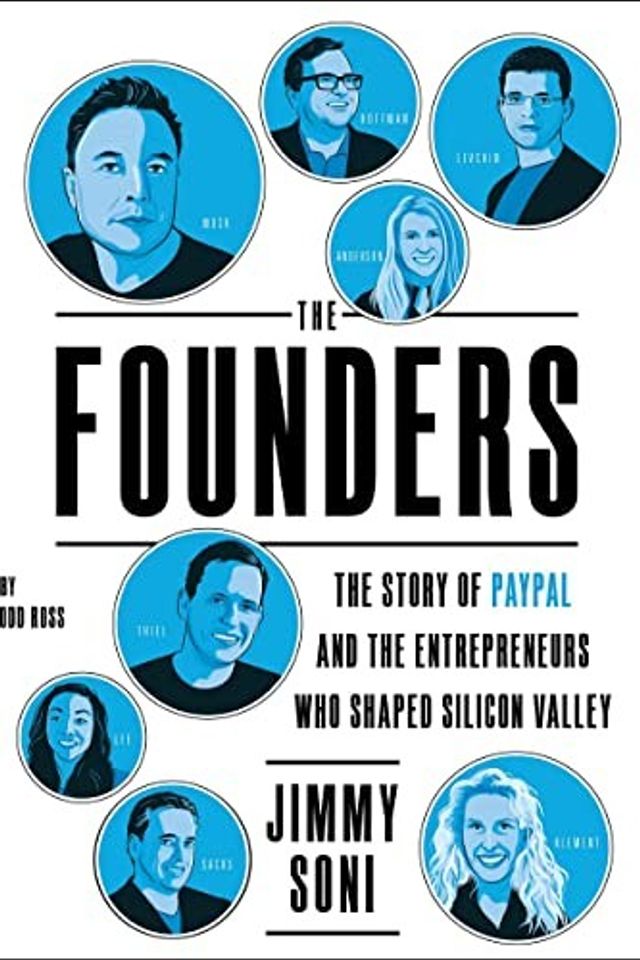
The Founders cover

The Founders

2020
Year
384
Pages
Non-Fiction
Genre
But diverges

Group biography of the PayPal Mafia replaces single-founder memoir.

Jimmy Soni's The Founders, released February 2022, is the closest thing to a Shoe Dog written for the early-2000s tech generation. Soni reports the rise of PayPal across roughly 480 pages, drawing on hundreds of interviews with the people who would later become the PayPal Mafia: Peter Thiel, Elon Musk, Reid Hoffman, Max Levchin, David Sacks, and dozens of engineers and executives whose names did not make the press.

Match88%
Source Code: My Beginnings cover

Source Code: My Beginnings

2024
Year
336
Pages
Non-Fiction
Genre
But diverges

Microsoft software origin replaces shoe distribution origin.

Bill Gates's Source Code, released February 2025, is the founder memoir Shoe Dog readers have been waiting for from the Microsoft side of the canon. The book is the first of three planned memoirs and covers Gates's life from childhood in Seattle through the 1975 founding of Microsoft and the first deal with Apple in the late 1970s.

Why are these books similar to Shoe Dog?

Each of these picks was chosen because it shares Phil Knight's honesty about the chaos, near-failures, and lucky breaks that building something from nothing actually requires. Every recommendation here treats entrepreneurship as a human story rather than a success formula, matching the vulnerability that makes Shoe Dog so different from most business memoirs.

Books similar to Shoe Dog on this list include a science journalist's account of the neurological loops that drive human behavior and how companies use them and a data-driven examination of how timing, culture, and hidden advantages shape who succeeds, each revealing the invisible forces behind visible achievement.

This list is for readers who want business stories told with the messiness and emotion of real life, where the path to success is never as straight as it looks in retrospect.

P
The author
Phil Knight
Explore more books